Pro Painter USA
MILWAUKEE WI, USA,
November 8, 2026


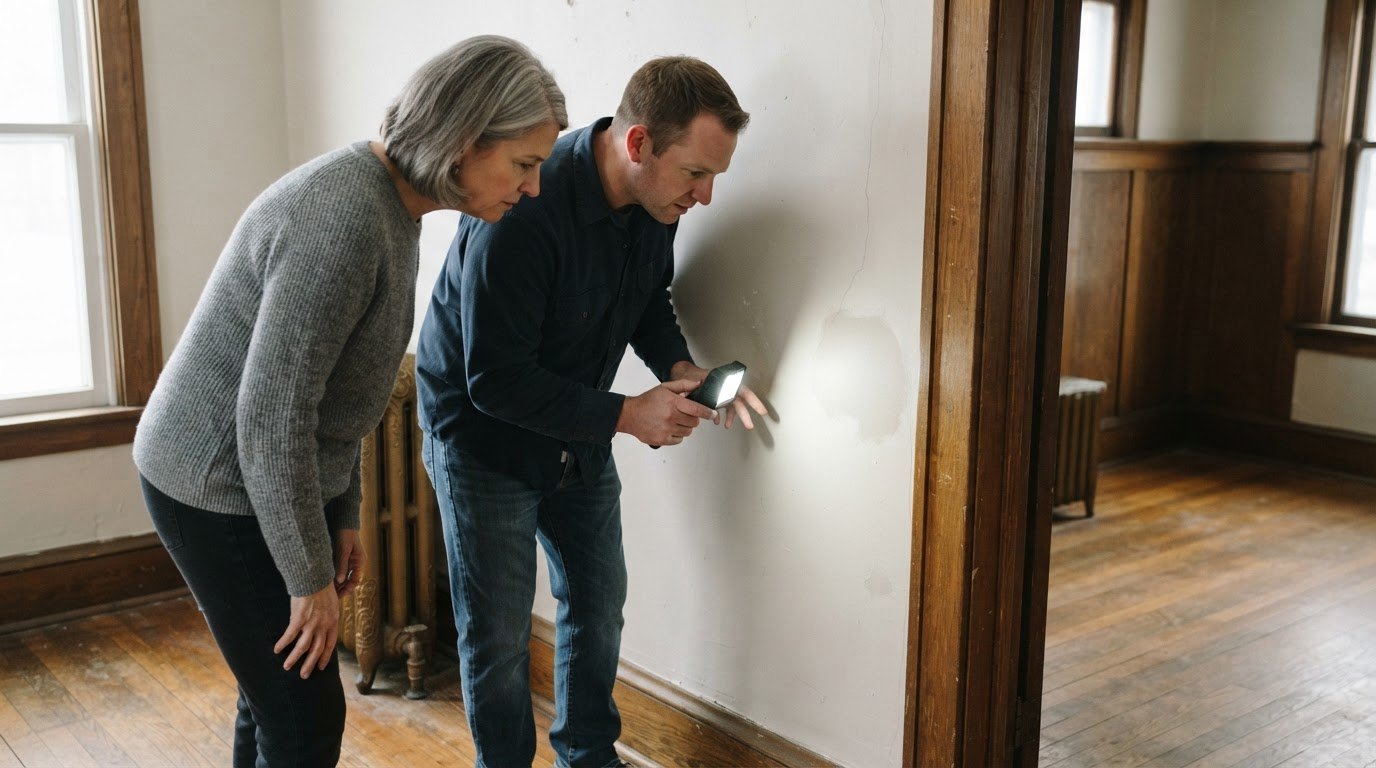
The lowest quote isn’t automatically the best fit. Finding a reliable painter means comparing the planned work, surface preparation, schedule, and payment terms, not just the final price. Plan three consultations and request a quote from each so you can assess what each proposal includes.
A local painting contractor can assess your property in person and discuss its specific needs. Whether you’re refreshing rooms at home, painting a building’s exterior, or planning a commercial repaint, the right painter should explain the scope and process clearly from the start.
This article explains why hiring locally can be useful, how to compare painting contractors, and how to identify the services that suit a residential or commercial project. You’ll also learn what preparation and project details shape the work, so you can move forward with a clearer plan and greater confidence.
• Use reviews, referrals, social media, and local recommendations to build a shortlist of painters with relevant project experience.
• Compare proposals by the preparation, repairs, materials, and schedule each one covers, not by price alone.
• Match interior or exterior painting to the surfaces and conditions your project involves.
• Choose residential or commercial painting services based on the property’s use, scope, and operational needs.
Finding a reliable painter starts with local recommendations, project examples, and clear written terms. A nearby contractor can assess your home’s surfaces in person and discuss colors, preparation, and access.
Search online review profiles for painters serving your neighborhood, then compare recent project photos on social media. Ask neighbors and friends for referrals based on work they’ve seen firsthand. Local paint or building-supply stores may also know contractors working nearby. For finding a reliable painter, use these sources to build a shortlist, then look for examples matching your project, such as exterior trim or a room with patched walls.
Look for verified homeowner reviews that describe specific work, communication, and the finished surfaces. A detailed account of how a painter handled patching or clean lines says more than a star rating alone. Ask for references from projects similar to yours. Best Pick-certified painting companies must maintain at least a 4.0 customer rating and an 80% recommendation rate, and re-qualify every year.
A written agreement should specify the work areas, surface preparation, materials, schedule, payment terms, and cleanup. Check that it names the rooms or exterior surfaces included and lists repairs, such as filling holes. Clear details help you compare the proposed work with your expectations.
Review the written workmanship warranty before signing. It should explain which application or workmanship issues it covers, how long coverage lasts, and how to report a concern. Look for any stated exclusions and the process for addressing a covered problem. There isn’t one warranty duration for every project, so focus on the actual written terms. Finding a reliable painter also means understanding what happens if the finish has a workmanship issue after completion.
Compare proposals by scope, preparation, materials, schedule, and payment terms, not just the total. When each proposal describes the work clearly, it’s easier to spot differences.
Review each estimate line by line. The proposed work may include cleaning, sanding, surface preparation, repairs, priming, caulking, painting, cleanup, and moving furniture. Check whether each estimate covers the same rooms, surfaces, and repairs. One might include patching kitchen walls, for example, while another covers painting only. Ask for a written breakdown so you can compare equivalent scopes, including any furniture-moving or access needs.
Plan three consultations and obtain a quote from each contractor. Share the same project details with every estimator, including the areas to be painted, visible surface damage, and your preferred colors. That gives each painter a comparable starting point. As proposals arrive, compare the listed work and schedule, then note where one scope includes a task another leaves out. A lower total may reflect fewer repairs or less preparation, rather than a more efficient approach.
There is no single payment schedule for every painting job. The written agreement should state the payment terms and connect them clearly to the project scope and schedule. Review those terms before work starts, including when payments are due and what work each payment covers.
Keep estimates and contract details together so the agreed scope remains clear as the project moves forward. For a project-specific view of the work, review painting project details before deciding how to proceed.
Start by listing the surfaces that need attention and how each space is used. Interior work may focus on living areas, bedrooms, or a kitchen; exterior painting addresses outside surfaces exposed to changing conditions. Defining the areas helps clarify preparation, access, and the finish you want.
For interior work, list the rooms and surfaces involved, such as walls, ceilings, trim, doors, or windows. A kitchen may need a different scope from an empty bedroom because cabinets, fixtures, and nearby surfaces require protection. Decide whether you’re changing the color throughout a room or painting selected areas. Note cracks, peeling paint, or patches so the estimate accounts for preparation before painting.
Exterior painting requires attention to the building’s outside surfaces and suitable weather. The research guidance advises applying most exterior paints when outdoor temperatures are between 50 and 80 degrees Fahrenheit. Temperature is one planning factor; surface condition and the project schedule also shape when work can proceed. For a house with peeling paint or damaged trim, include those areas in the project scope rather than describing the job as paint application alone.
Before exterior work, clear access around the areas being painted. Move outdoor furniture, planters, and other items away from walls, and keep paths to doors and windows accessible. Identify shrubs or fixtures near the work area, and note surfaces that may need patching or additional preparation. These steps help define what needs protection and where the crew can work safely and efficiently.
Interior and exterior projects differ in access, preparation, and surfaces, so describe each area separately. For example, list living room walls and trim separately from exterior siding and window frames. Specifics help define the work, choose a finish suited to the property, and plan the schedule.

Residential and commercial painting both aim for a clean, consistent finish suited to the property, but their priorities differ. A homeowner may focus on colors, ceilings, and comfort in living spaces, while a business may prioritize access, work areas, and continuity. Describing how the property is used helps set practical expectations.
For a home, outline the rooms and surfaces involved. Interior work might include bedroom walls, hallway ceilings, and trim; exterior work may cover siding, entry doors, and window frames. Note whether the home will be occupied during painting so the plan can account for room access and protecting furniture, floors, and belongings. A clear scope also distinguishes a full-room refresh from painting selected surfaces.
For commercial properties, shape the scope around how people use the building. An office repaint may involve corridors, meeting rooms, and shared areas; a storefront may need interior or exterior painting. Identify spaces that must remain accessible and areas that can be painted separately. A phased plan can organize work around normal activity, while clear boundaries define which rooms and surfaces are included.
Before choosing a project type, list the rooms or exterior areas, the surfaces to be painted, and the result you want. A homeowner might list a living room’s ceiling and walls; a business owner might identify a reception area and hallway. Include color changes, patching needs, and access considerations. These details help align the project scope with your expectations, whether the property is a home, office, or customer-facing space.
For a home or workplace that needs a refreshed finish, start planning your painting project with the property type and areas in mind.
Pro Painter USA helps property owners plan residential and commercial painting projects with professional interior and exterior services. Once you’ve identified the areas that need attention, the team can prepare surfaces and complete the painting work.
Whether you’re refreshing rooms at home or updating a commercial building, define the scope around the property’s needs. Residential and Commercial Interior Painting and Residential and Commercial Exterior Painting serve home and business projects. Clarifying the surfaces, preparation, colors, and scheduling helps establish a practical plan before work begins.
If you’re ready to discuss your home or business painting project, contact Pro Painter USA.
Choosing a painter is also a chance to clarify what you want your property to feel like after the work is complete. Think beyond a color change: consider how the finish should support daily use, complement the space, and reflect the care you put into the property. A clear vision gives the project a meaningful direction.
Finding a reliable painter is easier when you know your project goals and priorities. Pro Painter USA provides Residential and Commercial Interior Painting, Residential and Commercial Exterior Painting, Door and Window Painting, Staining, and Patching for homes and businesses.
When you’re ready to talk through your painting project, contact Pro Painter USA. Take the next step with a clear plan and look forward to a space that feels renewed.
Painting costs depend on the project, so there is no single hourly rate that fits every job. The estimate can reflect labor needs, surface condition, access, materials, and preparation. Compare the proposed work and its total cost, rather than hourly figures alone. Pro Painter USA offers complimentary estimates and flat-rate pricing options.
For Milwaukee-area homeowners, Pro Painter USA provides Residential and Commercial Interior Painting. The team serves Milwaukee, Shorewood, Whitefish Bay, Fox Bay, Glendale, Fox Point, Bayview, Grafton, Cedarburg, Port Washington, Wauwatosa, Menomonee Falls, Richfield, West Bend, Hartford, Waukesha, New Berlin, Hales Corner, Oak Creek, and Cudahy. Describe the rooms and surfaces you want painted when requesting an estimate.
Choose a painter whose portfolio includes projects similar to your home’s layout and lighting. Look closely at the finish around trim, corners, and transitions between surfaces. Ask who will supervise the work and how changes to the scope will be documented and approved. If you change a room’s color after planning begins, for example, clarify how that revision will be recorded.
When requesting an estimate, share clear photos of each room, including full views and close-ups of damaged areas. Include your location, preferred timing, whether the property is occupied, and any access limits that could affect a visit. Pro Painter USA offers complimentary estimate requests online and by phone. A concise visual brief gives the team useful context about your project.
Painting contractors’ state licensing requirements vary by state. Use official state licensing resources to identify applicable requirements, then compare the contractor’s legal name and credential details with official records. Request current insurance and bonding documentation, and confirm the named business and coverage dates with the issuing organizations. Keep copies with your project records for reference if questions arise later.
Ask who will supervise the work, how the crew will enter the property, and who will handle keys or access codes. Clarify how the team will coordinate with people using the space and who will make decisions if an unexpected surface issue arises. For an occupied office, agree on a point of contact to coordinate room access with staff.
You might find these helpful:
We are a team of interior and exterior painters and we are not limited to house painting only. We can paint different businesses like retail shops, commercial buildings, and apartments.
We also provide restaurant painting services. We can give you more information about these services if you give us a call.