Pro Painter USA
MILWAUKEE WI, USA,
November 21, 2026



A low estimate doesn’t tell you whether a painter is the right fit. To learn how to hire a good painter, compare at least three qualified candidates and look beyond the quote: review their credentials, insurance, references, and training, then weigh whether a contractor or employee best suits the project.
It’s reasonable to expect dependable workmanship, clear communication, and a price you can understand before painting begins. Compare what each estimate covers, including preparation, repairs, materials, scheduling, and cleanup, so you can assess the proposed work as well as the total.
This guide explains what to look for in a painter’s experience and past projects, how to think about licensing and insurance, and what to include in a written agreement. You’ll also learn how contractor and employee arrangements differ, and which project details affect the time and cost of professional painting.
• Check your state’s painter licensing requirements, then use referrals and examples of similar projects to narrow your options.
• Compare estimates by the preparation, repairs, materials, schedule, and cleanup they include, not by the bottom line alone.
• Review insurance, references, and relevant training to understand a painter’s experience and approach to the work.
• Choose a contractor for a defined project or consider an employee for ongoing painting needs, weighing the level of supervision and continuity each arrangement requires.
Before hiring a painter, check whether any licensing requirements apply where the property is located. Research the rules where the property is located, then confirm a candidate’s credentials before agreeing on the work.
Ask neighbors, property managers, or colleagues who recently hired painters. Compare at least three qualified candidates, and note whether their projects resemble yours. For exterior work, consult at least three professional painters so you can compare their proposed preparation, schedule, and scope.
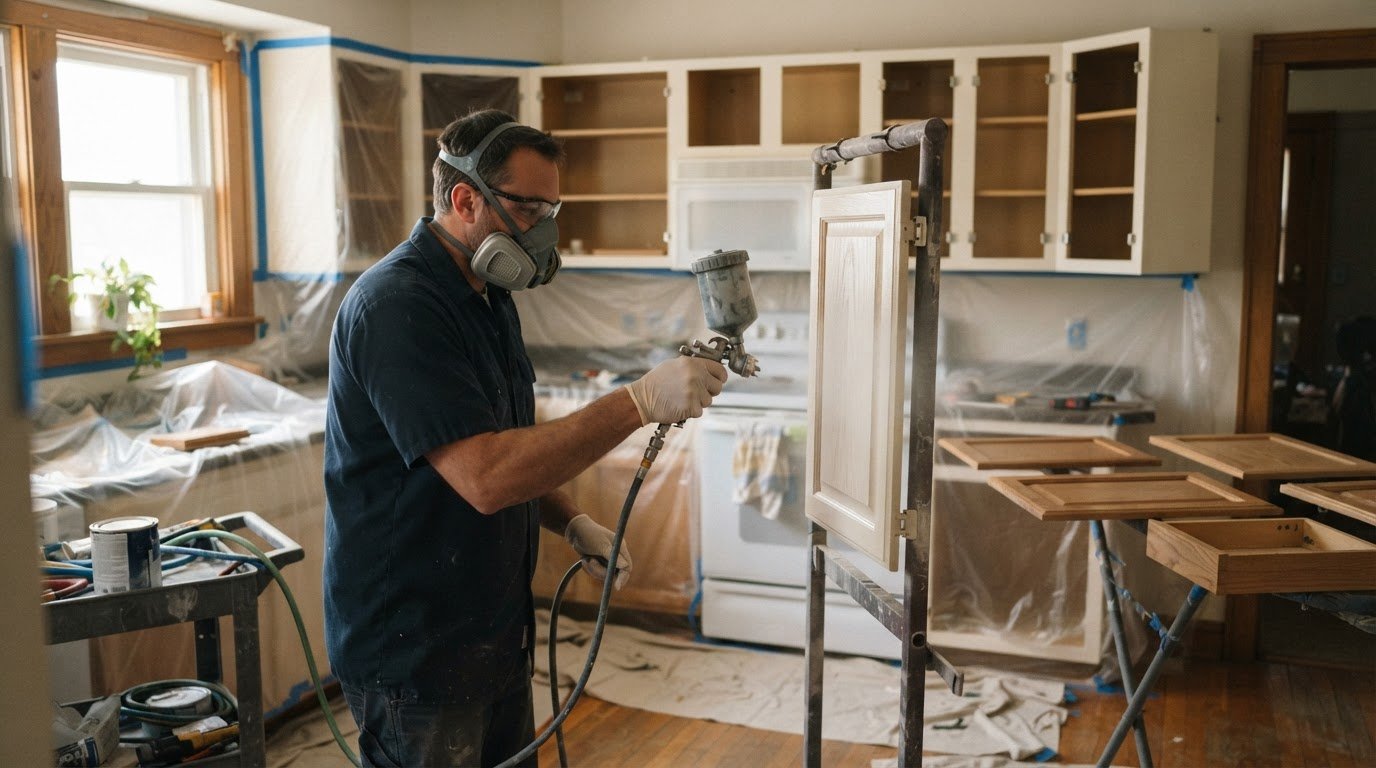
Look for photos of completed projects with similar surfaces, such as trim, siding, or interior walls. Ask how the painter protects floors, furniture, and landscaping, and how the crew handles paint debris and daily cleanup. Clear answers help you understand what the worksite will look like during the project.
Ask for references from customers with comparable projects, then ask about communication, schedule, finish quality, and whether agreed work was completed. To check a painter’s references, reviews, and past work, compare customer accounts with project photos and look for consistent details, not just praise.
Ask the contractor to confirm by email that they’re insured in case an accident occurs. Clarify who will be on-site and whether workers receive background checks. For homes built before 1978, older paint coats may contain lead, so discuss how the painter will approach the property safely.
The Federal Trade Commission advises making payments contingent on completion of defined amounts of work. Specify payment dates, covered paint failures, and correction terms. Painters should agree to correct specified failures within two years after the job, at no or little cost. Keep written records of concerns and responses.
Rain, temperature, and surface conditions can affect when exterior painting can proceed and how paint dries. Ask how weather delays will change the schedule and how the crew will protect prepared surfaces. A written timeline should explain the planned work sequence and how schedule changes will be communicated.
Ask each professional painter to inspect the same rooms or exterior surfaces. Discuss your priorities, access restrictions, repairs, and preferred schedule. Consistent project details make estimates easier to compare. Knowing how to hire a good painter starts with listening for clear explanations and direct answers about the proposed work.
Estimates may include cleaning, sanding, surface preparation, repairs, primer, caulking, paint, furniture protection, and cleanup. Check which tasks each proposal includes and where extra work could change the scope. A lower bid can reflect fewer included tasks rather than better value. Ask for any exclusions to be made clear in writing.
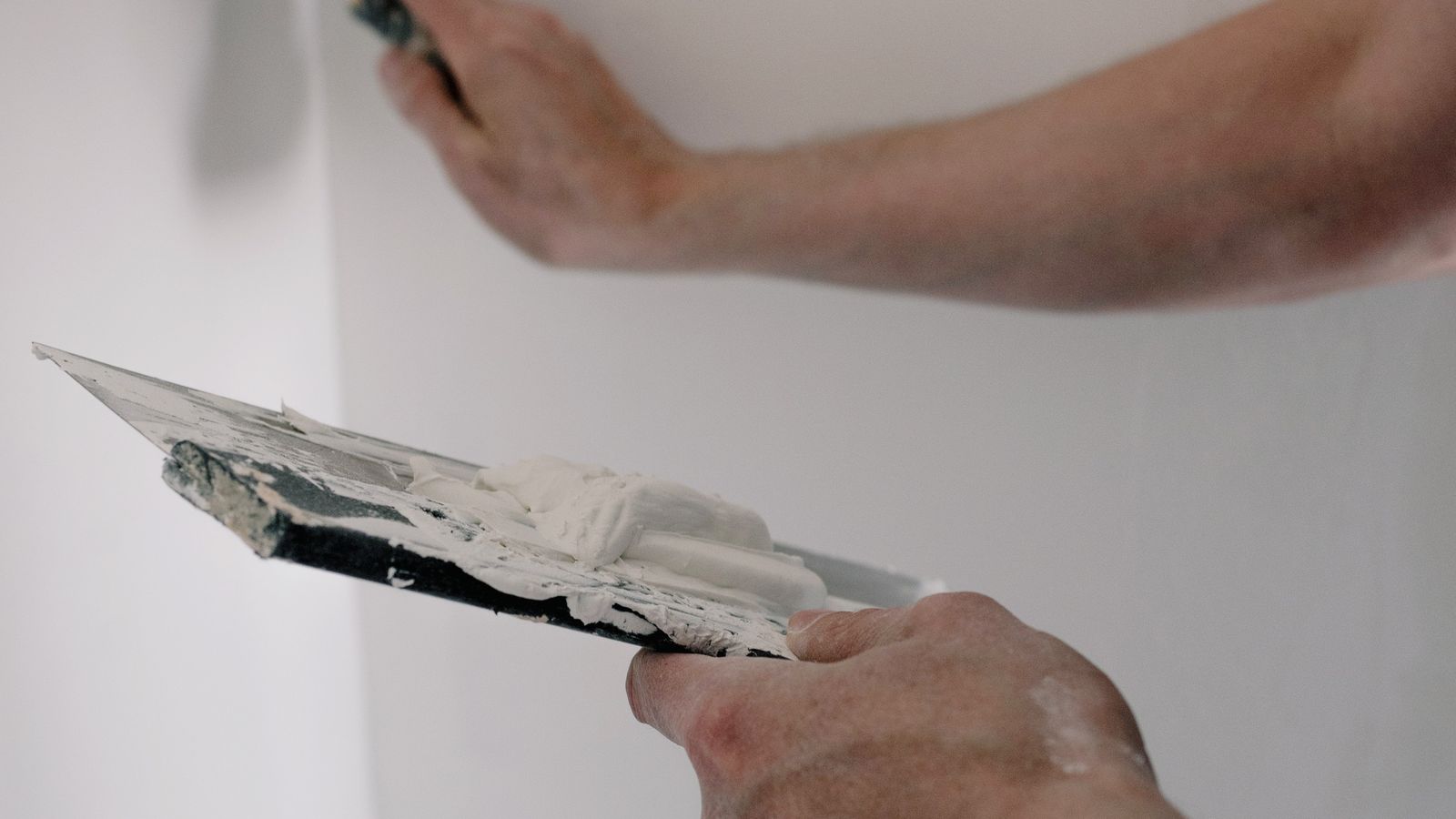
Wall condition, peeling paint, holes, and cracks affect the work needed before painting. Ask how the estimate accounts for patching, sanding, priming, and cleanup. Old or damaged walls may still show imperfections after painting, so understand the proposed repairs and expected finish before comparing totals.
Ask which products are proposed for each surface and why they suit the project. A painter should explain whether the existing surface needs primer and how the selected finish supports your goals. Compare product details across estimates instead of assuming similar colors or labels mean equivalent materials.
The timeline depends on labor, including preparation and cleanup. Make sure the proposal states the work sequence, timing, and payment terms. Payments can be tied to defined amounts of completed work, as the Federal Trade Commission advises. Clear terms help you track progress and understand how schedule changes will be handled.
Weigh scope, product choices, communication, and timeline together. Knowing how to hire a good painter also means assessing whether the written estimate makes the work and responsibilities clear. Select the candidate whose proposal best fits your project, rather than choosing simply by the lowest bid.
Ask focused questions about credentials, past projects, and the people doing the work. Clear answers help you assess how the painter manages responsibility and workmanship.
•
Ask whether the painter is licensed and insured, and request confirmation by email of insurance coverage in case an accident occurs. Licensing requirements vary by state, and most professional painters need a license. An unlicensed painter may not meet applicable state requirements; without insurance, accident-related responsibility can be harder to resolve. Confirm who the coverage applies to on your project.
•
Ask people who recently hired a painter for specific recommendations, then read reviews for details about communication, schedule, and completed work. Look for accounts describing similar projects, such as repainting several rooms or refreshing exterior trim. Give more weight to consistent, specific experiences than general praise. Note repeated concerns and ask how the painter’s process addresses them.
•
Request photos of previous projects and references from customers whose work resembles yours. Compare images for visible details, including clean edges, even coverage, and careful finish work around doors or windows. Contact references and ask whether the work matched the agreed scope, how issues were handled, and whether the site was left orderly. Compare their answers with the portfolio.
•
Ask who will perform the painting and how new or experienced employees learn preparation, application, and cleanup practices. Find out how a supervisor communicates the project plan and checks work quality as the job progresses. For example, ask how the crew handles patching before painting or protects floors during interior work. Specific answers reveal whether the team follows a consistent process.

Choose a contractor for a defined project, such as repainting a room, repairing surfaces, or completing an exterior job. Consider an employee when painting is an ongoing responsibility across properties or changing tasks. Estimate how much work you need and whether it continues after the current project ends.
Contractors typically plan and complete an agreed scope, while an employee may fit a role that involves regular direction and shifting priorities. Consider who will coordinate access, sequence tasks, and review progress. Write down the responsibilities so both sides understand who manages each part of the work.
A contractor’s estimate should describe the project work and related terms. Employing a painter requires planning for an ongoing role, including scheduling work between projects and providing consistent supervision. Compare those demands with the actual workload, not just the time needed for one repainting job.
An employee can provide familiarity with a property’s surfaces and previous paint work over time. A contractor can be a practical fit when you need defined expertise for a particular interior or exterior project. For either arrangement, clarify who supplies materials, prepares surfaces, protects the site, and handles cleanup.
List the scope, schedule, responsibilities, communication process, and payment terms for a contractor. For an employee, document the role, expected tasks, supervision, and work schedule. Clear expectations make it easier to assess progress and address changes without confusing a project agreement with an ongoing work relationship.
For a defined residential or commercial project, explore professional painting options and consider the scope that best fits your property.
Pro Painter USA can help turn your painter-selection research into a clear plan for a residential or commercial project. Its team handles interior and exterior painting, with work shaped around the property, surface condition, and scope. If you’re comparing contractors for a home or business, a professional estimate can help clarify the preparation, repairs, and painting work involved. Pro Painter USA serves customers throughout Wisconsin, including Milwaukee, Menomonee Falls, South Milwaukee, Oak Creek, and surrounding areas. Whether the project involves refreshing interior spaces or updating exterior surfaces, the next step is to discuss the property and the work you want completed. Contact Pro Painter USA to talk about your painting project.
Choosing a painter is also a chance to define what success looks like for your property. Before work begins, decide which rooms or surfaces matter most, what finish you want, and how the project should fit around daily routines. Sharing those priorities helps turn a general painting plan into a result that feels considered and complete.
Knowing how to hire a good painter means looking beyond polished promises and choosing a working relationship that suits the project. Keep your priorities visible as you compare options and plan the work. Clear communication at the start helps everyone focus on the same outcome, whether you’re updating a home or refreshing a commercial space.
When you’re ready to discuss your painting needs, contact Pro Painter USA. Take the next step with a clear vision for your space and confidence in the plan.
Start with recommendations from people nearby, then compare painters who have completed similar work. In Milwaukee and neighboring communities, ask references about comparable homes or surfaces. Read reviews for specific details about communication and follow-through. Ask to see finished work where possible, and compare those examples with the scope you need. This helps distinguish relevant experience from polished claims.
Ask what painter licensing requirements apply in the property’s state, since requirements vary across the United States. Request relevant license details and written confirmation of insurance coverage. Ask what training or certifications crew members hold and what each credential covers. A painter who lacks required licensing or insurance may leave important qualifications or accident-related responsibilities unclear, so clarify these points before agreeing to the work.
Ask who will lead the project, who will work inside or around the property, and how you’ll receive schedule updates. Clarify how the painter handles changes if hidden surface damage appears after work begins. For an occupied home, discuss room access and how the crew will coordinate around residents. These answers show how the painter plans communication and responds when project conditions change.
Compare each estimate line by line, including preparation, repairs, primer, paint, caulking, furniture protection, and cleanup. Look for exclusions and ask how extra work will be documented before it begins. For example, if damaged trim needs repair, the estimate should clarify whether that task is included. A written change description helps prevent different assumptions about the agreed scope.
The price depends on the project and is given after a quote request. Key factors include the area to be painted, surface condition, preparation and repairs, paint products, priming, access, and cleanup. Interior and exterior work can involve different surfaces and preparation needs. Share the project location, such as Milwaukee, and describe the areas involved to request an estimate for your specific scope.
A written estimate and contract should identify the surfaces and work included, preparation steps, paint products, timing, schedule, and payment terms. It should also explain how changes to the scope will be handled. Before signing, make sure the written details match your understanding of the project, such as whether patching damaged areas is included or listed separately. Keep a copy for reference during the work.
You might find these helpful:
We are a team of interior and exterior painters and we are not limited to house painting only. We can paint different businesses like retail shops, commercial buildings, and apartments.
We also provide restaurant painting services. We can give you more information about these services if you give us a call.