Pro Painter USA
MILWAUKEE WI, USA,
November 22, 2026


The center of a room can free up space for painting, but it isn’t always the best place for furniture. If painters are working on the walls in a large room, you can often group smaller items in the middle. In a small room, or when the ceiling is being painted, clear the room instead. Knowing how to prepare for interior painters means making the work area accessible and protecting your belongings.
The painting crew typically handles setup such as masking edges and fixtures, protecting floors and larger furniture, and priming surfaces when needed. You can help by removing wall décor, disconnecting electronics, clearing surfaces, and securing fragile items before work begins.
This guide covers what to clean, move, protect, and repair, as well as what painters typically prepare themselves. You’ll learn when furniture can stay in the room, how to make space for the crew, and why major wall damage or moisture issues need attention before painting starts.
• Keep small furniture in the center only when the room has enough space and the ceiling isn’t being painted; otherwise, clear the room.
• Remove fragile belongings and disconnect electronics so work areas stay accessible and personal items are protected.
• Expect painters to handle common setup tasks such as masking fixtures and protecting floors, while damaged or unstable surfaces may need attention before painting.
• For homes built before 1978, painters paid to disturb paint generally must be certified, according to the U.S. Environmental Protection Agency.
Clean, dry surfaces give new paint a stable base. Before work begins, painters assess walls, windowsills, and baseboards for dust, dirt, and loose residue. They plan cleaning before sanding or painting, tailoring the preparation to each surface.
• Clean walls with soapy water and a sponge before painting. This helps remove dust, dirt, and debris that could interfere with preparation or paint adhesion.
• Include windowsills and baseboards in the cleaning plan. These ledges and trim surfaces collect dust and residue, which can affect the finish if left in place.
• Schedule wall washing about one day before painters arrive. Cleaning immediately before work can leave moisture behind and delay painting until surfaces are dry.
• Vacuum ceiling corners and the tops of fan blades before wall preparation. Removing cobwebs and dust first helps prevent them from falling onto clean surfaces.
• Have painters assess whether scraping or sanding is needed after cleaning. These steps help remove unstable material and create a sound surface for new paint to bond to.
For a home built before 1978, painters paid to disturb paint generally must be certified, according to the U.S. Environmental Protection Agency. This matters when preparation involves scraping or sanding older painted surfaces. Painters can account for the home’s age and the planned work when organizing surface preparation.
Cleaning, scraping, and sanding each serve a different purpose. Cleaning removes surface dirt, while scraping and sanding address loose or uneven material. A professional assessment helps determine which steps each wall, sill, or baseboard needs before painting. For larger spaces or thorough prep work, professional teams like Advance Cleaning Services Inc. provide comprehensive cleaning solutions that ensure residential and commercial surfaces are completely free of dust and grime.
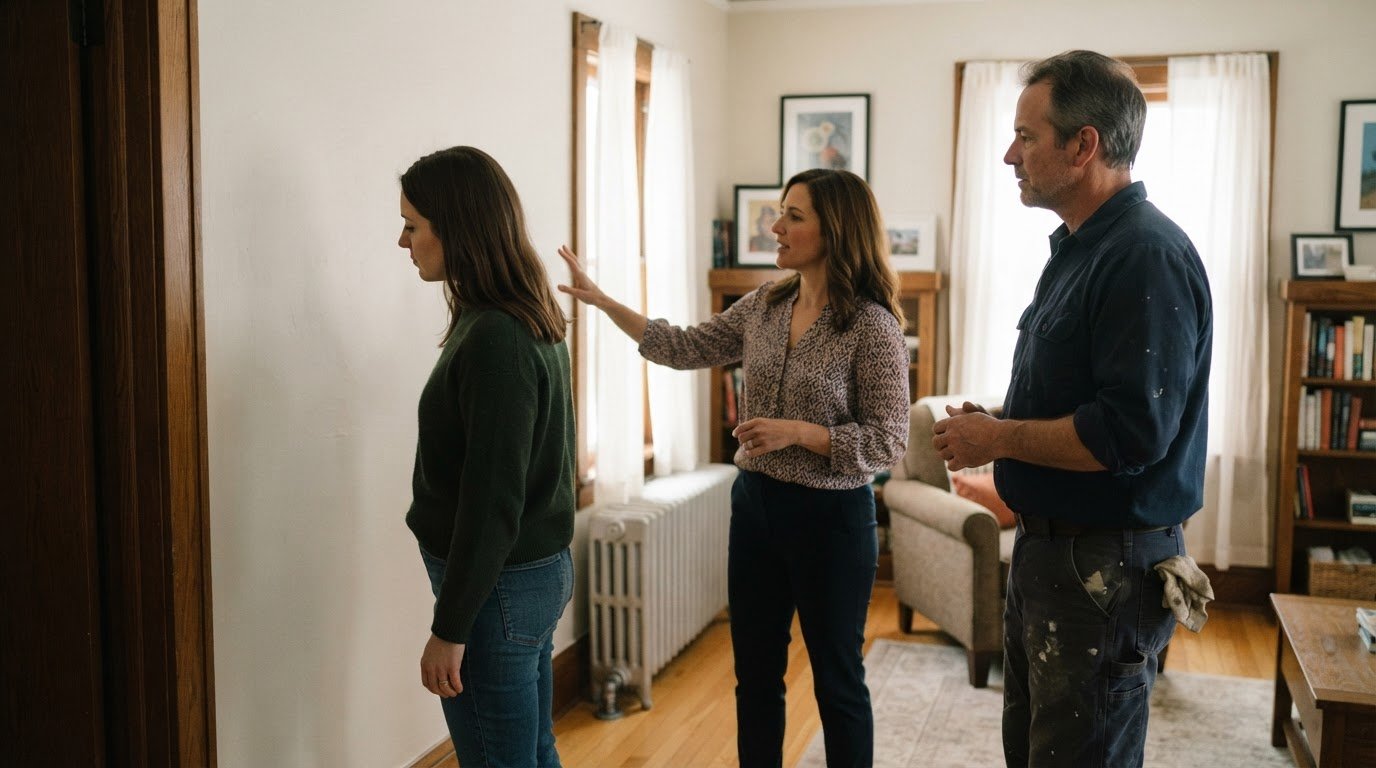
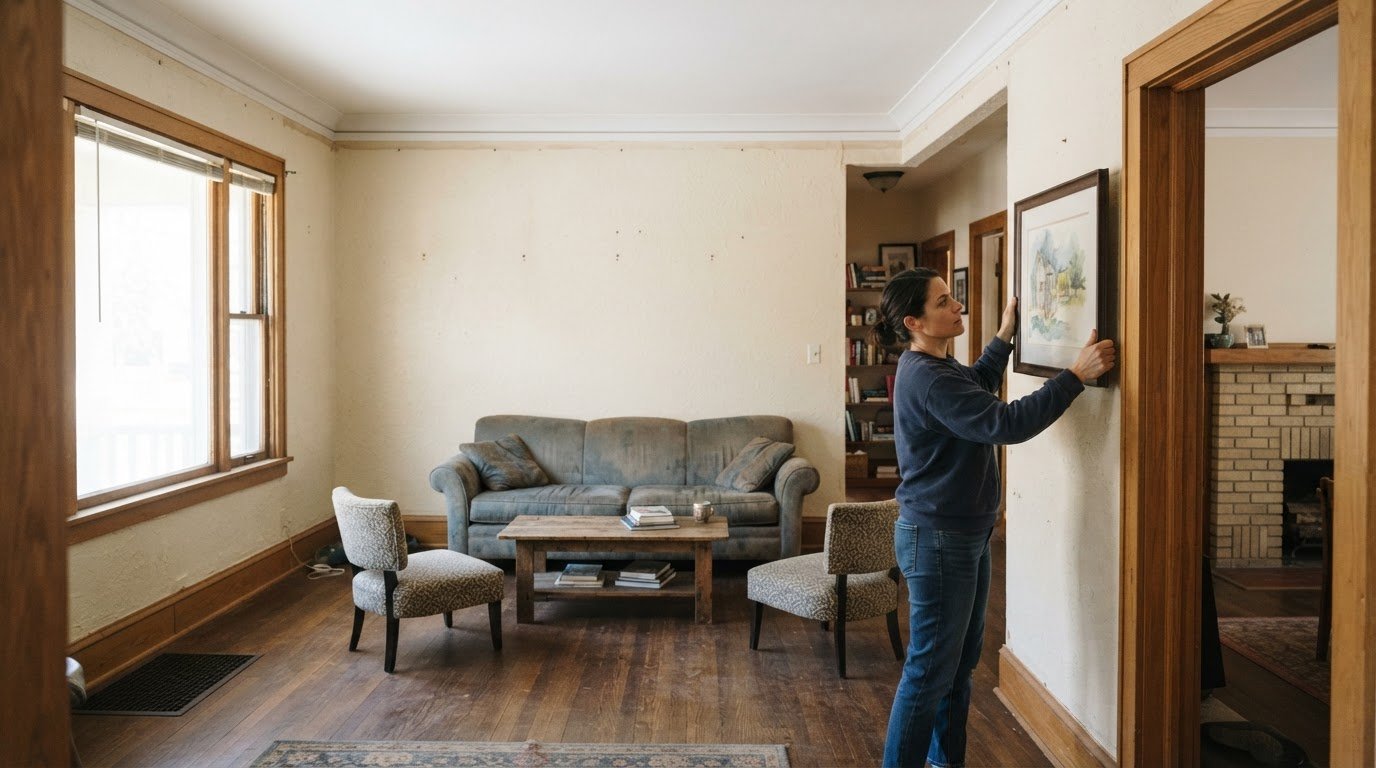
Clear access to the walls before the crew arrives. Remove artwork, mirrors, and wall-mounted décor, disconnect electronics, and clear tabletops. This reduces obstacles in the work area and helps protect your belongings from dust or accidental contact.
Painters typically protect floors and larger furniture, but moving large pieces is a separate preparation detail. Clarify in advance which pieces the crew will move or cover, and move any others out of the work area before they arrive.
Place it in another room when possible, or group it in the center of a spacious room if walls alone are being painted.
Remove furniture from a small room, or from any room where the ceiling will be painted. A central pile can block access to walls and overhead surfaces.
Put fragile, valuable, and loose items somewhere outside the work area. Clear shelves, tabletops, and furniture surfaces to reduce the risk of damage.
Remove their contents so painters can reach the interior surfaces without moving personal items.
Take down curtains or other window treatments if they obstruct the surfaces being painted, and store them away from the work zone.
Electrical plates can remain for painters to mask around, or be removed for a more consistent finish.
The right setup depends on the room and painting scope. A large living room getting wall-only painting may have room for small furniture grouped in the center. A compact bedroom or a room with ceiling work needs more floor space cleared. Keep pathways to outlets and switches open, and keep children and pets away from active work areas.
A simple room-by-room plan helps the crew start with clear access: identify furniture staying in place, items moving elsewhere, and surfaces that need to remain accessible. For a smoother setup, consider professional painting preparation as part of planning your project.

Professional wall preparation starts with cleaning and an inspection for holes, cracks, nail pops, and loose paint. Painters identify which surfaces need minor repairs and which areas call for a broader discussion before work begins.
A careful inspection looks beyond obvious damage. Uneven patches, divots, and raised spots can affect the finished appearance, so painters assess the wall across its surface. In a dark room, a flashlight can reveal imperfections through shadows and angled light. Homeowners can point out concerns they’ve noticed, especially recurring cracks or damp areas.
Painters typically fill nail holes and make minor surface repairs before sanding the patched areas smooth.
Sanding helps level rough transitions between existing paint and repairs, creating a more consistent surface for the finish coat.
These need inspection before painting because simply covering them can leave visible defects in the new finish.
Painters address unstable coating rather than applying new paint over a layer that may not hold.
Caulking trim can help create a cleaner transition between adjoining surfaces.
Discuss major drywall damage and the repair scope before work begins. This helps distinguish routine patching from repairs that may need more extensive attention. Cleaning, scraping, sanding, patching, caulking, and priming address different surface conditions, but all help create a sound base for paint.
Moisture matters, too. If mold is cleaned without correcting its moisture source, it will most likely return, according to the U.S. Environmental Protection Agency. Treat a damp patch as a condition to address, not simply a mark to cover. Once surfaces are clean, sound, and repaired, painters can determine where primer is needed before applying finish paint.
Professional preparation includes masking edges and fixtures, protecting floors and larger furniture, and priming surfaces when needed. These steps define the work area and help protect nearby finishes. Knowing how to prepare for interior painters also means understanding which setup tasks the crew typically handles.
For most residential interior painting projects, preparation and painting may take place on the same day, once the surfaces are ready. The room’s condition and the preparation required affect the schedule.
Painters typically mask edges and fixtures near painted surfaces, creating cleaner transitions around switches, trim, and hardware.
Painters typically protect floors and larger furniture. Clarify how carpets and floors will be covered before work starts.
Painters prime surfaces when needed. Bare wood, patched areas, and exposed filler may need primer before finish paint.
Keep outlets and switches accessible so painters can reach the areas needed for work.
Arrange for them to stay away from active painting areas, such as by keeping them in a separate space.
Before the job starts, clarify which furniture the crew will move or cover, how floors and carpets will be protected, and what ventilation is planned. These details establish what the crew will prepare and what you should move out of the work area beforehand.
Provide clear access to rooms, outlets, and switches, and point out any areas needing special care. A clear plan for how to prepare for interior painters should also account for household routines around active work areas.
For a project that includes careful surface preparation and interior painting, plan your interior painting project with the painting team.
Pro Painter USA helps property owners plan professional painting with attention to the surfaces and preparation involved. For interior projects, the team assesses room conditions, identifies preparation needs, and carries out residential or commercial interior painting. If you’re planning a project in Milwaukee, Wauwatosa, or nearby communities, request a complimentary estimate online or call the Wauwatosa office to discuss your space and next steps.
Whether you’re refreshing interior rooms or planning exterior painting, clear expectations about access, furniture, and areas needing attention help the project run smoothly. Share these details early so the painting team can understand the space and prepare for the work.
Contact Pro Painter USA to discuss your painting project.
A fresh coat of paint can make a room feel more considered and comfortable. Before work begins, think about how you want each space to function afterward. A home office, guest room, and shared living area may each need a different setup, even when the painting scope is similar. If you are also planning a broader interior refresh, examining modern architectural design and luxury interior lighting dubai can provide valuable inspiration for how high-end illumination complements new wall finishes.
Knowing how to prepare for interior painters also makes it easier to coordinate access and household routines. Think about which rooms should be painted first, where people can work or relax during the project, and which belongings need special attention. Sharing these priorities helps the painting team plan around the spaces that matter most to you.
Whether you’re planning a residential refresh or a larger painting project, Pro Painter USA can help bring professional workmanship to the next stage. Contact Pro Painter USA today to discuss your project and take the next step toward a refreshed space.
Yes, if the room is spacious and the crew only needs access to the walls. Group furniture compactly and securely in the center, leaving clear routes for painters. If the room is small or the ceiling is included, move belongings elsewhere instead. Clearing the room makes it easier to reach both walls and overhead surfaces.
Professional painters inspect walls for cracks, nail pops, holes, loose paint, and uneven patches. They also check corners, doorways, and windows, where changes in the surface or light can make flaws more noticeable. Point out damage that has returned or changed over time. That context helps painters assess the area and plan preparation before applying a finish coat.
Move belongings that could be bumped, covered in dust, or difficult to clean, such as table decorations, lamps, small electronics, and items displayed on shelves. Take down anything attached to a wall in the work area. If cabinet interiors are included, remove their contents. Keep medications, documents, and daily-use items separate and accessible during the project.
Don’t start major repairs or sanding without discussing the scope with the painting team. Painters commonly handle small nail holes and minor surface flaws during professional preparation, while larger damage may need a separate repair plan. If you remove a nail, avoid widening the opening or disturbing the surrounding paint. Mark the spot for the crew to help preserve its location and guide the inspection.
How long does it take to prepare a room for interior painting
For most residential projects, preparation is completed the same day work begins. Painting follows once the surfaces are ready.
You might find these helpful:
We are a team of interior and exterior painters and we are not limited to house painting only. We can paint different businesses like retail shops, commercial buildings, and apartments.
We also provide restaurant painting services. We can give you more information about these services if you give us a call.